Strategy & delivery / Selected essay
Why recommendations fail
(and what to do instead).
A good recommendation is a proposed change. What gives it somewhere to land?
Read the essay
Insights / Jay Mandel
Writing on the gap between what organizations say and what people experience—and the decisions that can close it.
Explore the articles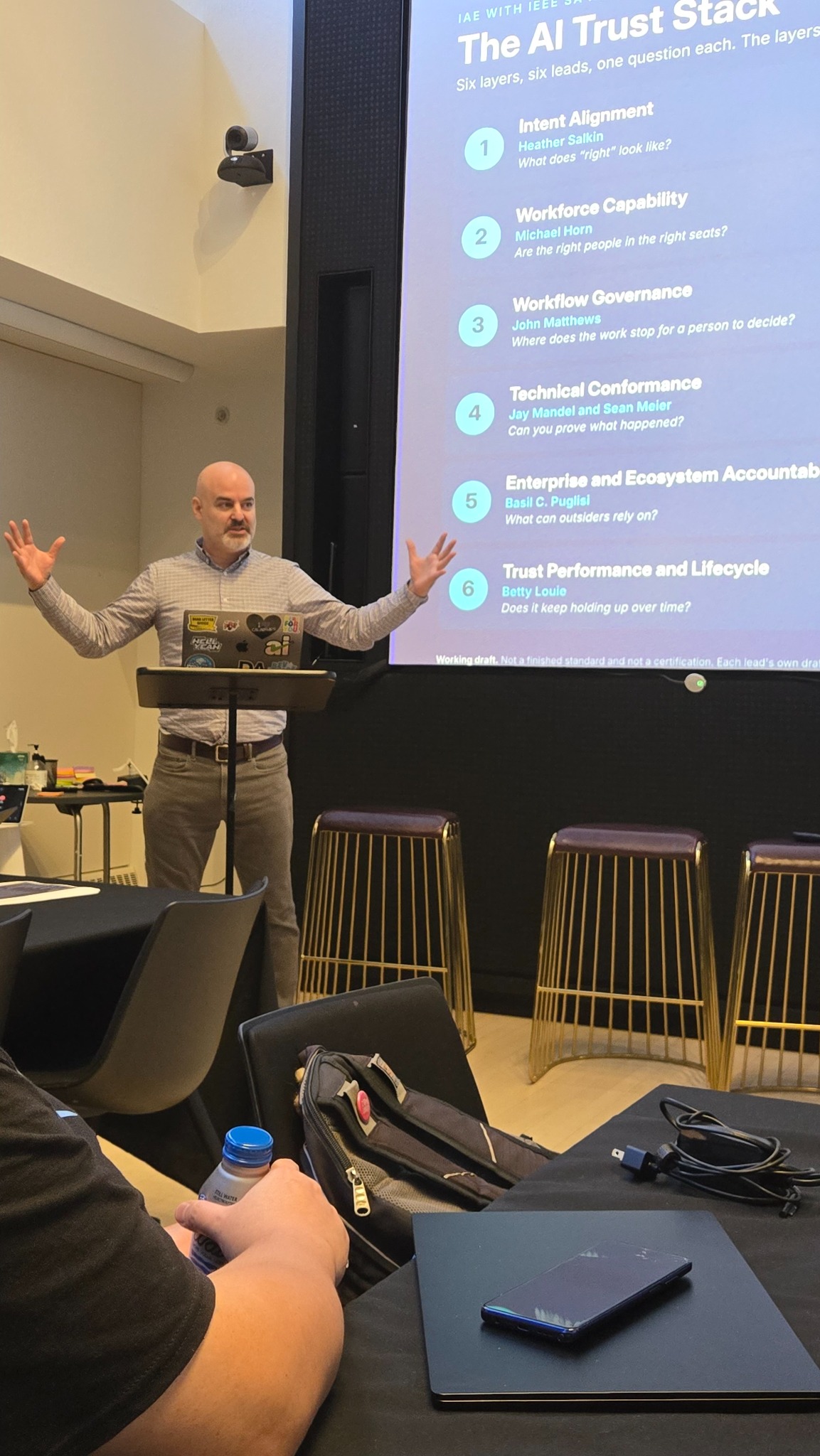
A place to start
Strategy & delivery / Selected essay
A good recommendation is a proposed change. What gives it somewhere to land?
Read the essayMarTech / Growth & Innovation
Marketing Accountability Council / Data & AI
The article library
Search a question, choose a topic, or filter by publication.
121 articles
MAC · September 1, 2026
A Roblox creator shows how personal narrative becomes relationship, and why parents and marketers need to take that relationship seriously.
MAC · August 30, 2026
I wanted to go fishing for one day.
MAC · August 27, 2026
Listerine turned bad breath into halitosis. Marketing has done the same, turning ordinary uncertainty into urgent and curable problems. Learn how to respond to the funk.
MarTech · August 27, 2026
Treating people with respect improves the data relationships marketing depends on.
MAC · August 23, 2026
I Followed TopDog’s Disclaimers to Measure the Distance Between the Law Firm Being Advertised and the Legal network operating behind it.
MAC · August 22, 2026
A service failure shows why recovery systems must account for the customer’s real situation—and how clearer ownership can turn a frustrating moment into restored trust.
MAC · August 21, 2026
From Marvin Gaye to fake followers, ad fraud, bots, and manufactured consensus: what happens when the grapevine becomes the marketplace, and nobody knows what’s real?
MAC · August 14, 2026
I’ve been listening to Howard Stern for most of my life.
MAC · August 6, 2026
Last weekend, my car engine started steaming and smoking in Tuckahoe, New York.
MAC · August 6, 2026
When evaluating retail concepts from a brand accountability and financial efficiency perspective, few founders possess the trend-spotting instinct, artistic execution, and operational grit of Abby Taylor
MAC · August 5, 2026
Ever wonder why companies seem comfortable charging more while giving you less? It's the shift in how businesses compete and why predictable customers have become more valuable than satisfied ones.
MAC · July 31, 2026
Customer service is deteriorating not because AI is inherently evil, but because corporate executives are using AI to turbocharge an obsolete, extractive financial model.
MAC · July 26, 2026
What Stacey Duguid's job search, Andrew Bowins' pivot, and the Marketing Accountability Council reveal about marketing's real accountability problem
MAC · July 22, 2026
Why does everything online feel either painfully generic or outrageously over-the-top? This article explores why every original idea eventually becomes reheated nachos.
MAC · July 21, 2026
Last weekend at Fanatics Fest, I was handed a drink that looked less like coffee and more like the New York Knicks had been melted inside a clear plastic cup.
MAC · July 19, 2026
Why “Fanaticism” is the Ultimate Marketing Accountability Framework
MAC · July 15, 2026
On July 9, 2026, TIME and Statista dropped their annual ranking of America’s Best Companies. It’s a list measuring exactly what Wall Street and job hunters care about: financial muscle, employee satisfaction, and ESG disclosures.
MAC · July 13, 2026
New York City doesn’t just pass local laws; it establishes the default standards for the entire nation.
MAC · July 13, 2026
When we dropped our pieces on the ticketing and travel monopolies, a clear psychological profile emerged.
MAC · July 12, 2026
The Mirage of the Open Web:
MAC · July 11, 2026
We talked about this the other day—how the concept of corporate “extraction” is quietly ruining everything we love. Doug Stephens was talking about his book, The Future of Competitive Advantage? He made the powerful point that for the last 45 years, corporations have been trapped in a cycle of constant extraction—squeezing workers, exploiting the environment, and draining the capitalist system itself until there is “not a hell of a lot left to extract”.
MAC · July 10, 2026
Business futurist and author Doug Stephens stops by the MAC to talk about his new book, explain why saving democracy is good business, and explore how marketers can help.
MAC · July 8, 2026
Most marketers think being strategic means connecting their work to revenue and learning the language. But that advice often keeps marketers trapped in execution mode.
MAC · July 7, 2026
Walking to the public-facing order pickup Lowe’s retail location in Yonkers, NY, one is greeted by a brightly decorated internal dashboard celebrating the store’s “Service & Sales Leaders.” Adorned with cheerful beach-themed cutouts and smiling employee photos, the board tracks localized key performance indicators (KPIs).
MAC · July 6, 2026
Modern platforms like Uber Eats prioritize instant gratification, delivering items swiftly, boosting metrics like conversion rates and reducing costs.
MAC · July 2, 2026
Why my personal life, my professional career, and my creative output aren’t three separate compartments—and why lazy assumptions miss the mark.
MAC · June 29, 2026
It’s time to build for the reality of who people actually are.
MAC · June 28, 2026
I am currently raising capital, building a brand, and scaling a new venture.
MAC · June 27, 2026
A familiar marketing ideal can become more useful when teams replace impossible precision with sound audience judgment, respectful relevance, and continuous learning.
MAC · June 26, 2026
During a Senate Homeland Security Committee hearing, bluntly titled “Reforming the U.S.
MAC · June 25, 2026
According to TV’s ultimate agent of chaos, being a comedian is 10% creative genius, 40% corporate warfare, and 50% getting your foot run over by a car.
MAC · June 24, 2026
The value exchange that built modern B2B marketing is collapsing. What replaces it will require a different kind of marketer entirely.
MarTech · June 24, 2026
More customer data once looked like an advantage. AI is exposing the risk of data built on inference, opacity and extraction.
MAC · June 23, 2026
The Marketing Accountability Council rejects rapid, casino-style metrics to champion long-term strategy and ethical consumer trust.
MAC · June 23, 2026
Why Our Odd Obsession With Odds Isn’t Optimal
MAC · June 13, 2026
My alma mater, Syracuse University, simultaneously purged 93 academic programs, hiked total annual student costs to a staggering $95,676, and then admitted to faculty and staff that it had missed its enrollment targets and entered a formal budget deficit.
MAC · June 10, 2026
For decades, executives relied on marketing to understand customers and markets. So how did it become the department responsible for defending pipeline, and proving its existence every quarter?
MAC · June 2, 2026
And Marketers Must Adapt
MAC · May 31, 2026
Kurtis Blow and the Lost Art of Passing Culture Down
MAC · May 31, 2026
While legacy news crews gave up, one creator, my son, Gavin, captured the pulse of the 40th anniversary of the Puerto Rican Day Parade on the Grand Concourse in the Bronx
MAC · May 28, 2026
I'm sharing this now because systems meant to serve us no longer uphold human dignity.
MAC · May 27, 2026
This article breaks down how demand gen evolved from a useful operating system into the center of modern B2B marketing and why so many companies now confuse pipeline motion with market understanding.
MAC · May 26, 2026
I was Ghosted by the Recruiter then Spammed by Udacity's Desparate Marketing Machine
MAC · May 25, 2026
Don't Trust the Brand, Trust the Data
MAC · May 25, 2026
Happy Memorial Day! It’s the unofficial start of summer.
MAC · May 21, 2026
A grocery receipt became the catalyst for a data analysis that reveals the hidden tax of geography on consumer spending.
MAC · May 18, 2026
An essay on how leaders can recognize ethical drift, realign incentives, and give teams the judgment and support to choose responsible marketing practices.
MAC · May 13, 2026
We didn’t end up with dashboards, funnels, and MQL obsession by accident. The metrics marketing is measured by was decided by a series of decisions that slowly reshaped what marketing is allowed to be
MAC · May 11, 2026
How CEO Ryan Cohen Got Banned From the Company He is Trying to Buy
MAC · April 29, 2026
Marketing didn’t get reduced to a pipeline machine by accident. It happened because, at a critical moment, marketing couldn’t explain its value and what replaced it reshaped the entire function.
MAC · April 28, 2026
Lashay Lewis on bridging the "Trust Gap" by grounding LLMs in your proprietary Product Truth.
MAC · April 17, 2026
And Marketers Must Stop Trying to Feed Off It
MAC · April 16, 2026
Burnout Isn’t a Workload Problem. It’s a System That Stopped Seeing People
MAC · April 15, 2026
This article breaks down why personas suck, what they’re hiding, and what you actually need to understand if you want your marketing to stop blending in and start working.
MarTech · April 14, 2026
Marketing’s drift toward optics and internal validation disconnects teams from revenue and the fundamentals that create growth.
MAC · April 8, 2026
Does a company that has to buy or steal every new idea it deploys actually deserve to lead the next era of human connection?
MAC · April 1, 2026
Marketing is trapped in a system that demands proof before it allows anything to work, then punishes it when it doesn’t.
MAC · March 25, 2026
A New Mexico jury just determined that Meta knowingly harmed children’s mental health and concealed what it knew about child sexual exploitation on its platforms.
MAC · March 25, 2026
We’ve been asking BDRs to turn clicks into conversations, then blaming them when it doesn’t work. This piece breaks down how marketing quietly set them up to fail.
MAC · March 22, 2026
Afroman and the Moment Surveillance Became Accountability
MAC · March 18, 2026
Many B2B campaigns rely on the same underlying template. This article explores how teams can move beyond default practices and build strategy around their customers, strengths, and evidence.
MAC · March 11, 2026
This article unpacks how modern, hyper-targeted marketing made B2B marketing departments feel invisible, why this frustrates marketers and confuses leadership, and what it takes to fix it.
MAC · March 4, 2026
Marketing has been made "simple", so everyone thinks they know how to do marketing. That has lead to a complete lack of understanding and disrespect of the function.
MAC · March 3, 2026
A conversation with Omar Oakes on fraud, trust, and what the industry keeps getting wrong.
MAC · March 1, 2026
How the Savannah Bananas Perfected Spectacle and What Their Success Reveals About Our Dopamine-Driven Culture
MAC · February 25, 2026
A reflection on separating professional self-worth from dashboard results so marketers can learn more honestly, make better decisions, and build work that matters.
MAC · February 24, 2026
Why There’s ROI in Listening to Our Better Angels
MAC · February 21, 2026
There is a version of winning that should make you embarrassed.
MAC · February 21, 2026
As I’ve mentioned in several essays this month, it’s been two years on Substack.
MAC · February 20, 2026
Research shows that emotionally charged content, especially outrage, spreads faster and farther on social platforms.
MAC · February 19, 2026
I walked into Sky Zone and immediately thought, "This building used to sell shower curtains and offered 20%-off coupons that expired but somehow didn’t." Now it sells trampoline time, tiered memberships, and $6 socks.
MAC · February 18, 2026
I wasn’t ready. The market wasn’t ready. Now both are starting to be.
MAC · February 15, 2026
When the Only Lever Left Is the Market
MAC · February 13, 2026
Two years ago, I started the Marketing Accountability Council because I couldn’t ignore the widening distance between what institutions claimed to stand for and how they actually operated.
MAC · February 11, 2026
B2B SaaS spent years chasing “efficiency” by cutting humans out of the equation. Now AI is doing to software what software once did to everything else.
MAC · February 8, 2026
Bad Bunny isn’t some performative diversity booking. He’s the most-streamed artist in the world for multiple years in a row. He’s already mainstream. The Super Bowl is just catching up.
MAC · February 4, 2026
This month marks two years of the Marketing Accountability Council, and over the next few weeks, I’ll be writing reflections on where we started, where we’re headed, and what’s breaking (and changing) across marketing and business.
MAC · February 3, 2026
Why modern marketing’s obsession with control is making us worse at the very thing we’re trying to improve.
MAC · January 30, 2026
When Government Gets Cornered and Everyone Else Gets Petty
MarTech · January 30, 2026
Silence is a signal, and ignoring it damages trust.
MAC · January 28, 2026
Buyers aren’t avoiding sales conversations. They’re avoiding the pressure, harassment, and desperation we’ve normalized and the systems that reward it.
MAC · January 27, 2026
Why the right traits matter more than titles, tools, or resumes.
MAC · January 26, 2026
Demand generation is anti-marketing.
MAC · January 17, 2026
Surprise credit card holds are more than just an inconvenience; they’re a silent, systemic way of shifting power away from consumers.
MAC · January 16, 2026
A $19 EZ-Pass charge shows what happens when agencies optimize for enforcement instead of ownership and force people to absorb the friction they created.
MAC · January 15, 2026
When the System Breaks, You Build Your Own.
MAC · January 14, 2026
This article breaks down what executives really mean when they say they want to see marketing's revenue contribution and how marketers can finally replace revenue with much more effective metrics.
MarTech · January 12, 2026
Clean metrics stop masking the gap between engagement and real commitment.
MAC · January 11, 2026
No half-stepping shows up over time
MAC · January 9, 2026
But Not for the Reason You Think
MAC · January 8, 2026
How Personalization, Influence, and Assumed Trust Power Modern Scams
MAC · January 7, 2026
Tony Dokoupil’s Debut Didn’t Fail. The CBS News Model Did.
MAC · January 7, 2026
The backlash against AI is a mirror, reflecting how far marketing has drifted from storytelling, empathy, and serving real human needs and why audiences are finally pushing back.
MAC · January 6, 2026
A candid look at the CES marketing pilgrimage—and how marketers and technologists can move past performance to have more useful conversations about innovation, brand, and customer value.
MAC · January 6, 2026
You can’t market to stupid and you shouldn’t have to.
MAC · January 5, 2026
Behind the scenes, they mapped forgotten statutes and buried authority. If it holds, New York could become a model for rapid, people-first governance.
MarTech · December 3, 2025
Clean data restores context, consent and meaning.
MarTech · October 28, 2025
Clean data offers a route back to trust.
MarTech · August 22, 2025
Candor becomes useful when leaders reward thoughtful challenge, respond with curiosity, and turn honest feedback into better decisions and stronger trust.
CDA · August 14, 2025
Why dirty data is a business and social failure—and why people need more control over the information used to describe and decide for them.
MarTech · August 13, 2025
Examining the incentives behind misleading marketing practices.
MarTech · July 28, 2025
Digital marketing too often rewards performance over principle.
MarTech · July 8, 2025
What pushes marketers away and what could help them stay.
Popular on MarTech
MarTech · May 16, 2025
The brand risks of taking marketing shortcuts.
Popular on MarTech
MarTech · April 24, 2025
Examining the decisions behind brand safety claims.
MarTech · February 28, 2025
How digital creators compete with established media.
MarTech · February 14, 2025
Testing the gap between inclusion promises and company decisions.
Popular on MarTech
MarTech · January 21, 2025
How AI tools influence the intentions behind your choices.
MarTech · December 30, 2024
A practical approach to using AI in marketing.
MarTech · November 14, 2024
Replacing retention pressure with customer respect.
MarTech · October 14, 2024
Moving from audience labels to authentic relationships.
MarTech · September 12, 2024
What Starbucks reveals about shared social spaces.
Popular on MarTech
MarTech · August 13, 2024
Adapting marketing to changing customer expectations.
Popular on MarTech
MarTech · July 19, 2024
Building trust through consistent work rather than quick wins.
MarTech · June 25, 2024
Building a B2B brand around lasting customer value.
MarTech · May 20, 2024
Using empathy to connect brands, audiences and results.
MarTech · April 10, 2024
Putting product quality ahead of sales promises.
MarTech · March 22, 2024
Recognizing the harm caused by hidden fees and deceptive pricing.
MarTech · February 27, 2024
Responding to changed expectations with authentic marketing.
MarTech · January 25, 2024
Connecting brand identity, intention and implementation.
LinkedIn · November 5, 2019
A consistent and repeatable approach to content marketing connects audience, story, strategy and results.
Full publication archives
Marketing Accountability Council ↗Clean Data Alliance ↗MarTech ↗Interviews & media appearances ↗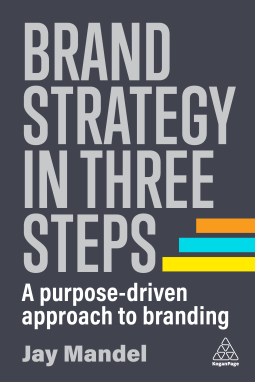
The book / Kogan Page · 2023
Identity. Intention. Implementation. A framework for connecting your values, your offer, and the way you deliver.
Explore the book and sample chapterKeep exploring
From reading to doing
Tell me what you are working through. We can decide together what needs to happen next.